
“The Clean Air Strategy must be responsive to emerging research and health risks, and all sources of air pollution, including aviation, if it is to be fully fit-for-purpose.” – Children’s Rights Over Flights submission to the Public consultation on updating the Clean Air Strategy.
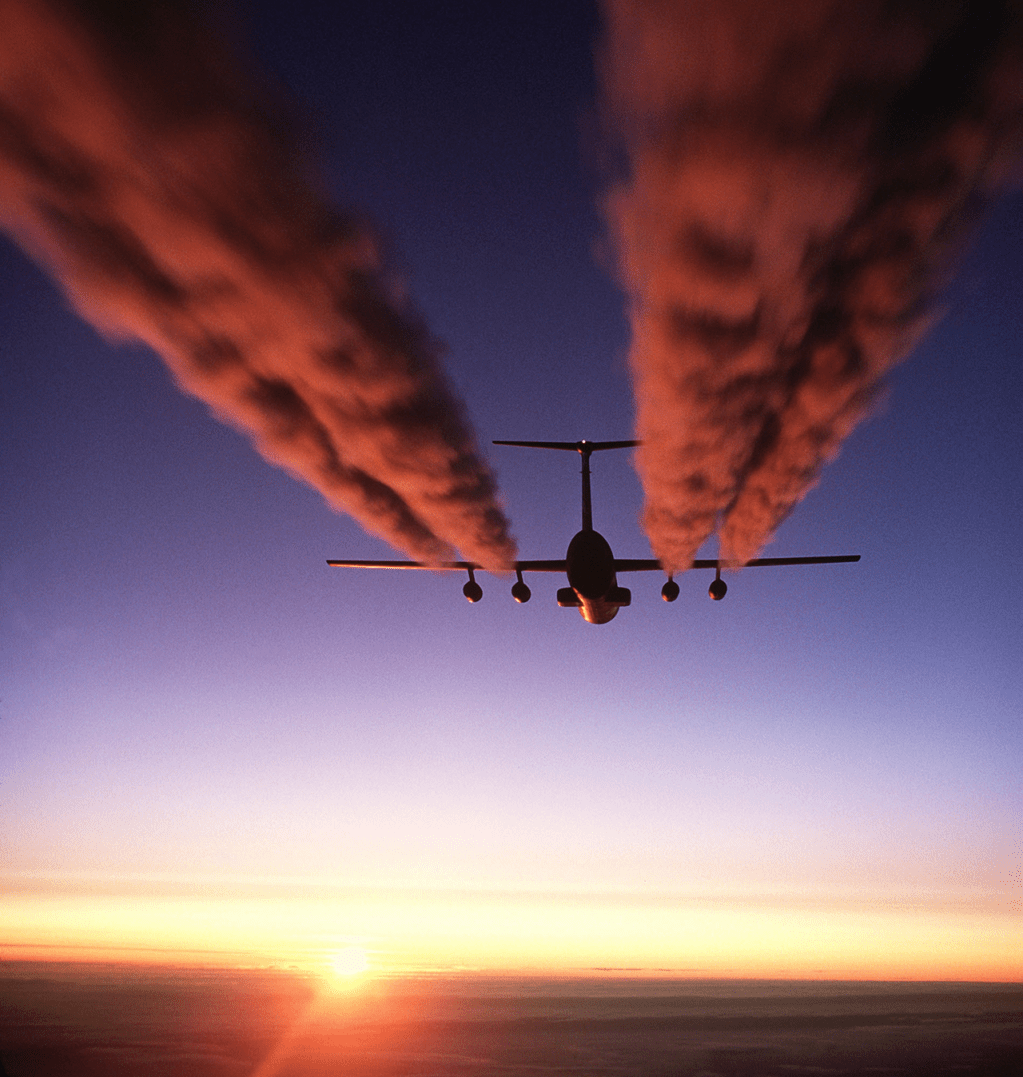
Aviation pollution has serious consequences for air quality and related health implications. Air traffic and jet kerosene use has reached unprecedented levels in Ireland, with international aviation accounting for an estimated 10% of the national energy-related emissions. At the same time, concerning research is emerging about the serious health implications of airport / aviation pollution, in particular in relation to ‘ultrafine particles’ (UFP) both within and outside airplanes, and for communities living close to airports.
Current Government intervention to increase polluting flight traffic in Ireland from Dublin Airport via a lifting of the ‘passenger cap’, and via re-introduction of internal flights to Derry Airport, is fundamentally at odds with both the expressed purpose of the Clean Air Strategy “to ensure continued reductions in air pollution emissions”
A Transport & Environment briefing based on the 2024 study by CE Delft on
‘aviation’s health effects on populations living near airports’ recommended a range of measures to improve air quality and mitigate adverse health outcomes including: “Address exponential increase in air traffic and air pollution by banning further expansion of airport infrastructure, introduction of flight caps, promoting shift to rail, reducing business travel and targeted taxation of the aviation sector”.
A range of responsible policies to tackle aviation pollution should be urgently implemented nationally, as with other harmful forms of air pollution. These could include restrictions on private/ business jet travel, fiscal policies such as an end to jet kerosene subsidies and application of VAT and excise tax, frequent flyer levies, and banning of advertising for fossil fuel products, including flights. Sustainable alternatives to air travel should be responsibly promoted and incentivised, and should be included within the Government’s ‘Your Journey Counts’ communications campaigns or an appropriate alternative, and within the ‘Smarter Travel’ mark scheme.
There should be focused attention on air quality and public health protection in relation to all airports in the State within the Strategy.
You can read the full submission here.
 Children's Rights Over Flights
Comments